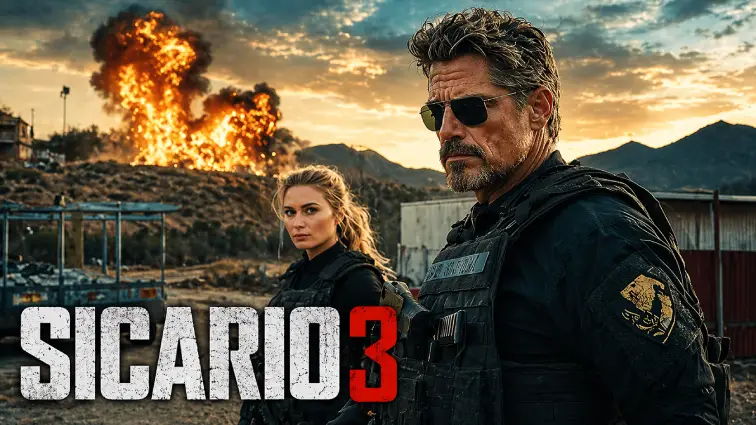
The world of gritty crime thrillers got fans buzzing when whispers about sicario 3 started making rounds in film circles. The first two films took us deep into the drug war. Now audiences are craving more of that raw, unfiltered storytelling. The franchise left a lasting mark on fans. Whether you’re a longtime viewer or just discovering the series, there’s plenty to unpack. A lot could be coming next in this brutal cinematic universe.
The Sicario franchise has carved out a unique space in modern cinema by refusing to romanticize the drug war. Instead, it presents a morally complex world where the lines between right and wrong blur until they’re almost unrecognizable. This approach resonated deeply with viewers who were tired of cookie-cutter action films with clear-cut heroes and villains.
The Legacy of the First Two Films
To understand what makes the prospect of another installment so exciting, we need to look back at what came before. The original Sicario introduced us to Kate Macer, an idealistic FBI agent played brilliantly by Emily Blunt, who gets recruited for a special task force targeting a Mexican drug cartel. What she discovers is a world far more complicated and morally ambiguous than she ever imagined.
The film portrayed violence and corruption along the US-Mexico border without flinching. Director Denis Villeneuve built an atmosphere of constant tension. Danger lurked everywhere. Trust was a luxury no one could afford. Benicio del Toro played the mysterious Alejandro Gillick. His performance became the emotional core of the film. Alejandro was driven by revenge but lived in shades of gray. He was impossible to label as simply good or evil.
The sequel, Sicario: Day of the Soldado, shifted focus entirely to the dynamic between Alejandro and Matt Graver, played by Josh Brolin. Without Emily Blunt’s character to serve as the audience’s moral compass, the film dove even deeper into murky ethical waters. The story followed their mission to ignite a war between rival cartels, a plan that goes sideways when they become protectors of a cartel kingpin’s daughter.
What We Know So Far
Information about the third installment has been somewhat sparse, which only adds to the anticipation. Fans searching for the Sicario 3 release date keep hitting dead ends. Official announcements have been limited. Rumors and speculation are all that exist right now. What we do know is that the creative team values authentic, hard-hitting storytelling. The previous films set a high bar. Any continuation must honor that legacy. At the same time, it needs to push the narrative into new territory.
The ending of the second film left several threads dangling, particularly regarding Alejandro’s fate and his relationship with the young Isabel Reyes. That ambiguous conclusion seemed designed to leave room for further exploration, and fans have been speculating ever since about where the story might go next.
Cast Expectations and Potential Returns
One of the most pressing questions surrounding the next chapter involves which actors might return. Discussions about the cast of sicario 3 have dominated fan forums and social media, with everyone weighing in on their dream lineup for the potential sequel. Benicio del Toro’s Alejandro has been the connective tissue holding the franchise together, and it’s hard to imagine the series continuing without him. His performance brought depth and humanity to a character who could easily have become a one-dimensional killing machine in less capable hands.
Josh Brolin’s Matt Graver provides an interesting counterpoint to Alejandro. Where Alejandro operates from a place of personal vendetta wrapped in professional duty, Graver represents the cold pragmatism of government agencies willing to bend or break rules in pursuit of strategic objectives. The chemistry between these two actors elevated the second film, and their potential reunion would be a major draw.
The question of whether Emily Blunt might return remains one of the most discussed topics among fans. Her character represented the conscience of the first film, the person asking uncomfortable questions about methods and morality. Bringing her back could provide that perspective again, though it would need to be handled carefully to avoid feeling like a retread.
There’s also curiosity about Isabela Moner’s character, Isabel Reyes. The second film spent considerable time developing her relationship with Alejandro, creating an unexpected surrogate father-daughter dynamic. Her journey from cartel royalty to orphaned survivor sets up interesting possibilities for future storylines.
Story Possibilities and Narrative Directions
The beauty of this franchise is that it operates in a world with endless storytelling possibilities. The drug war continues to evolve, with new players, new tactics, and new consequences emerging constantly. Any future installment has rich material to draw from without needing to manufacture artificial drama.
One potential direction involves exploring the aftermath of the events in the second film. The consequences of the botched mission and Alejandro’s choices could ripple outward, creating new complications and forcing characters to confront what they’ve done. This approach would maintain the series’ focus on how violence begets more violence in an endless cycle.
Another possibility involves shifting the geographic focus. While the Mexico-United States border has been central to the story, the drug trade is a global phenomenon. Expanding the scope could bring fresh perspectives while maintaining the franchise’s commitment to authenticity and moral complexity.
The theme of loyalty and betrayal could be pushed even further. Both previous films explored how alliances shift and trust becomes impossible in this world. Deepening that exploration could provide compelling character moments and high-stakes drama without relying solely on action sequences.
Creative Vision and Leadership
Questions about who will helm the sicario 3 movie have been another source of intense speculation among cinema enthusiasts. Denis Villeneuve directed the first film before moving on to larger projects like Blade Runner 2049 and Dune, while Stefano Sollima took the reins for the second installment. Each brought their own visual style and narrative sensibilities to the material, proving the franchise can work with different creative voices at the helm.
The choice of the sicario 3 director will be crucial in determining the film’s tone and approach. Whoever steps into that role will need to balance honoring what came before while bringing something fresh to the table. The franchise has shown it can survive a change in directorial vision, but maintaining that delicate balance between continuity and innovation will be essential.
What Makes This Franchise Special
What sets these films apart from typical action thrillers is their refusal to provide easy answers or comfortable resolutions. The characters exist in a world where doing the right thing isn’t always clear, and sometimes there are no good options, only varying degrees of bad ones. This moral ambiguity makes for uncomfortable viewing at times, but it also makes for more honest storytelling.
The technical craftsmanship on display in both films has been exceptional. From Roger Deakins’ cinematography in the first film to the tense action sequences in the second, every element serves the story rather than overwhelming it. The violence is brutal but never gratuitous, always serving a narrative purpose and highlighting the human cost of the drug war.
This grounded and gritty approach to storytelling has become increasingly appreciated by audiences who enjoy darker narratives, similar to what modern franchises like Batman have embraced in recent years with their more realistic and morally complex storytelling.
Distribution and Accessibility
As streaming platforms continue to reshape how we consume movies, many fans wonder about sicario 3 netflix availability and whether it might follow the path of other recent releases with simultaneous theatrical and streaming debuts. The first two films found significant audiences on streaming services after their theatrical runs, introducing new viewers to the franchise and building anticipation for future installments. How the next chapter gets distributed could impact both its reach and its reception, as the theatrical experience offers something different from watching at home.
Managing Expectations
Any discussion about a potential third film needs to acknowledge the challenge of meeting fan expectations. The first film was a critical darling that launched conversations about the drug war and American foreign policy. The second, while commercially successful, received more mixed reviews from critics who felt it lacked the moral center of the original.
The key to success will be finding a story worth telling rather than simply capitalizing on brand recognition. Fans of the franchise aren’t looking for a watered-down version or a safe continuation. They want the unflinching honesty and moral complexity that defined the series from the beginning.
The Broader Context
These films exist within a larger conversation about the drug war, border policy, and America’s relationship with Mexico. While they’re works of fiction, they touch on real issues that affect millions of lives. Any new installment will inevitably be viewed through the lens of current events and ongoing debates about these topics.
The best approach is probably the one the franchise has taken so far: tell a compelling human story set against this backdrop without trying to provide definitive answers to complex policy questions. The films work because they focus on individual characters navigating impossible situations, letting the larger themes emerge organically.
Final Thoughts
The anticipation surrounding another entry in this franchise speaks to the impact the first two films had on audiences. In an era dominated by superhero blockbusters and franchise filmmaking, these movies offered something different: adult-oriented thrillers that trusted viewers to handle moral complexity and uncomfortable truths.
Even as action franchises continue expanding with new projects like Ballerina, audiences still appreciate grounded crime stories that focus more on characters and consequences rather than spectacle alone.
Whether another chapter ultimately gets made remains to be seen, but the conversations it’s generating show how hungry audiences are for this kind of storytelling. Films that challenge us, that refuse to provide easy answers, that respect our intelligence and our ability to sit with discomfort are increasingly rare. That’s what makes this franchise valuable, and that’s what any continuation would need to preserve above all else.