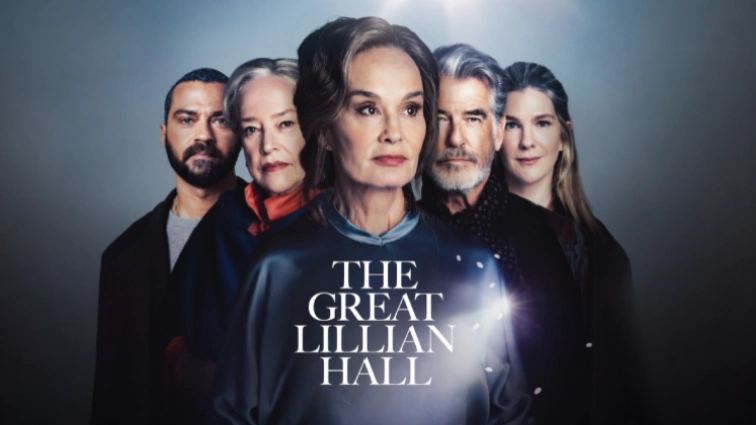
When HBO releases a new drama, audiences know they’re in for something special. The streaming giant has built its reputation on delivering compelling stories that resonate long after the credits roll. Their latest offering, “the great lillian hall,” continues this tradition by presenting a powerful narrative about aging, memory, and the unwavering spirit of performance. This film doesn’t just tell a story; it invites viewers into an intimate exploration of what it means to face your greatest fears while holding onto your life’s passion.
At its core, this drama examines the fragility of the human mind and the strength of the human spirit. It’s a film that manages to be both deeply personal and universally relatable, touching on themes that many of us will encounter as we navigate life’s later chapters.
What Makes This HBO Drama Stand Out
HBO has always excelled at character-driven storytelling, and this film is no exception. The narrative follows a celebrated stage actress who has dedicated her entire life to the theater. She’s someone who knows every line, every cue, and every emotion required to bring a character to life. But what happens when the very tool you’ve relied on your entire career begins to fail you?
The film explores this question with remarkable sensitivity and honesty. Rather than sensationalizing the struggle, it presents a nuanced portrayal that feels authentic and respectful. The story doesn’t shy away from the difficult moments, but it also celebrates the resilience and determination that define its protagonist.
What sets this drama apart from other films tackling similar themes is its refusal to wallow in sadness. Yes, the subject matter is serious and at times heartbreaking, but the film maintains a sense of hope throughout. It reminds us that our identity isn’t solely defined by our abilities, and that dignity can be maintained even when facing seemingly insurmountable challenges.
The Performance at the Heart of the Story
Any film like this lives or dies on its central performance, and HBO made an exceptional choice in casting. The lead actress brings decades of experience to the role, and it shows in every frame. There’s an authenticity to her portrayal that comes from understanding the world she’s depicting, not just intellectually but emotionally.
Watching her navigate the character’s journey is like witnessing a masterclass in acting. Much like the intense, character-driven transformation seen in Pearl, she captures the small moments of confusion, the flashes of frustration, and the quiet determination to push forward despite everything. These aren’t big, showy moments designed to win awards. They’re subtle, human, and incredibly moving.
The supporting cast deserves equal praise. They create a world around the main character that feels lived-in and real. Whether it’s the concerned director, the loyal assistant, or fellow cast members, each person brings depth to their role. They’re not just reacting to the protagonist’s struggle; they’re dealing with their own emotions about what’s happening and what it means for everyone involved.
Exploring Memory and Identity
One of the film’s most compelling aspects is how it examines the relationship between memory and identity. For someone who has spent their life memorizing scripts and embodying different characters, what does it mean when those memories become unreliable? The film tackles this question without providing easy answers.
The theater serves as more than just a backdrop in this story. It becomes a character itself, representing both sanctuary and challenge. The stage is where our protagonist feels most alive, most herself. It’s where she’s experienced her greatest triumphs and formed her deepest connections. Watching her fight to remain in that space, even as her abilities diminish, is both inspiring and heartbreaking.
The film also explores how those around someone facing cognitive challenges navigate their own feelings. There’s love, certainly, but also fear, frustration, and uncertainty. How do you support someone while respecting their autonomy? How do you balance concern with dignity? These are questions the film raises thoughtfully.
The Director’s Vision
The direction demonstrates a clear understanding of when to step back and let moments breathe. This isn’t a film filled with unnecessary camera movements or dramatic music cues telling you how to feel. Instead, the director trusts the story and the performances to carry the emotional weight.
The cinematography captures both the grandeur of the theater and the intimacy of personal moments. There’s a beautiful contrast between the public performances and private struggles, visualized in ways that enhance rather than overshadow the narrative. The lighting, in particular, does remarkable work in setting the tone for different scenes.
Pacing is crucial in a character study like this, and the film gets it right. It takes its time without dragging, allowing viewers to fully absorb what’s happening without feeling rushed. Some scenes are allowed to unfold in real time, creating a sense of being present in the moment rather than just observing it.
Themes That Resonate Beyond the Screen
While the film focuses on a specific situation, its themes have broader applications. Anyone who has watched a loved one face health challenges will find something to connect with here. The fear of losing yourself, the desire to maintain independence, and the complex dynamics of care and support are universal experiences.
The theater world serves as a fascinating lens through which to explore these ideas. Performance requires precision, memory, and presence, whether it’s a stage actress or even the disciplined physical storytelling seen in films like Ballerina. When those elements become uncertain, the stakes feel particularly high. But the film suggests that the essence of who we are runs deeper than our abilities in any single moment.
There’s also something to be said about how we value people in our society. The film quietly asks whether someone’s worth is tied to their productivity or performance. It challenges viewers to consider how we support those facing difficulties and whether we create space for them to maintain their sense of self.
Why This Film Matters Now
In an era where conversations about aging, cognitive health, and dignity are becoming increasingly important, this film arrives at a perfect time. It contributes to these discussions not through preaching but through storytelling. It humanizes experiences that many people face but few fully understand until they’re directly affected.
The film also serves as a reminder of the power of art and community. The theater community depicted here shows both its flaws and its capacity for compassion. We see how creative spaces can provide purpose and connection, especially during difficult times.
For anyone who loves cinema that makes you think and feel, this HBO drama delivers. It’s the kind of film that stays with you, prompting reflection on your own life, relationships, and values. It doesn’t provide all the answers, but it asks the right questions.
Final Thoughts
HBO’s latest drama film offers more than just entertainment. It provides a thoughtful, compassionate look at challenges many will face or witness in their lifetimes. Through exceptional performances, skilled direction, and honest storytelling, it creates an experience that educates, moves, and inspires.
This is filmmaking at its finest, using the medium to explore complex human experiences with nuance and respect. Whether you’re drawn to character-driven dramas, interested in stories about the performing arts, or simply appreciate well-crafted cinema, this film deserves your attention. It reminds us that even in our most vulnerable moments, there’s strength, beauty, and meaning to be found.