A24 has built one of the most respected names in modern cinema, and nowhere is that reputation stronger than in the horror genre. From the grief-soaked terror of Hereditary to the folk horror of Midsommar, the studio has consistently pushed boundaries and redefined what scary movies can look and feel like. Yet among all these celebrated titles, Pearl quietly stands above the rest.
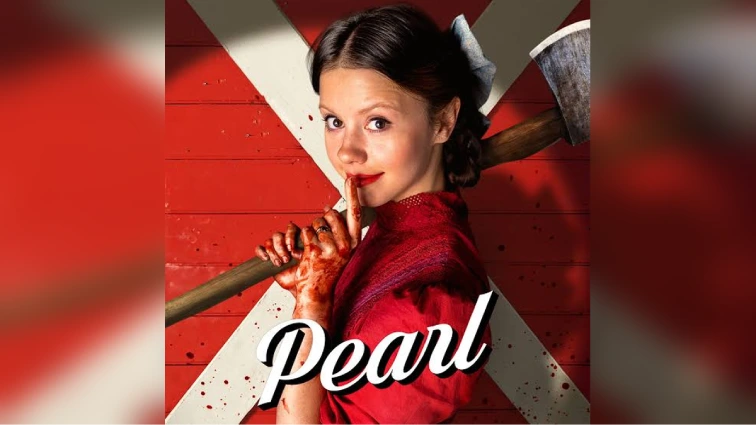
Released in 2022, the pearl (2022 film) tells the origin story of a troubled young woman on a Texas farm in 1918, and it does so with a level of craft, emotional depth, and raw acting power that no other A24 horror film has matched.
What Makes a Great Horror Film
Before making the case for any single film, it helps to understand what separates a good horror movie from a truly great one. Jump scares and gore can make an audience flinch, but they rarely stay with you after the credits roll. The horror films that endure are the ones that get under your skin because they are rooted in something deeply human. They make you feel the dread from the inside out.
They give you a character whose pain you understand, even when their actions terrify you. By that measure, the pearl film is not just a great horror film. It is a masterclass in everything the genre can achieve.
A Character Study Like No Other
At the heart of the film is Mia Goth’s performance, and it is one for the ages. Goth co-wrote the screenplay with director Ti West and then delivered a career-defining performance. Critics and audiences alike have called it a force of nature. The film is an absorbing character study of a woman who unravels mentally and emotionally. The results are devastating for everyone closest to her.
What makes this so remarkable is that you never stop understanding Pearl, even as she becomes increasingly frightening. She is isolated, repressed, and desperately longing for love and recognition. The horror does not come from a monster lurking in the dark. It comes from watching a real person break apart in front of you.
From the very first scene, the warning signs are there. Pearl kills animals on the farm and feeds them to her pet alligator, a detail that is played with dark humor but lands with genuine unease. She dances on haystacks with a pitchfork, performing for no one, dreaming of a stage that feels impossibly far away. These early details are not throwaway quirks. They are the film carefully building a portrait of someone wound dangerously tight, someone the world has pushed to the very edge of herself.
One of the most talked-about moments is a six-minute, largely unbroken monologue that Goth delivers with breathtaking control. The Guardian’s Peter Bradshaw praised both West’s direction and Goth’s performance, awarding it a perfect five stars. That is rare for a horror film to earn from a mainstream critic. With the slightest change of expression, Goth shifts from a giddy dreamer to a psychopathic killer. She is charming, frightening, and heartbreaking all at once. The performance is subtle and explosive at the same time, something that should not be possible but somehow is.
The Supporting Cast Makes It Complete
Mia Goth is the undeniable center of the film, but the supporting cast deserves far more credit. Tandi Wright is extraordinary as Pearl’s mother Ruth. She plays a cold, controlling woman whose cruelty stems from her own repressed disappointments. A stunning dinner table scene brings both women together. The confrontation lays bare every layer of dysfunction in their relationship.
Wright never plays Ruth as a simple villain. Instead, she portrays a woman who has accepted her own misery and cannot stand to see her daughter escape it. The result is a haunting, layered performance that elevates every scene. Emma Jenkins-Purro is equally impressive as Pearl’s sister-in-law Mitsy. Her smaller role shines particularly during and after the dance audition sequence.
David Corenswet brings genuine warmth and charm to the projectionist. His character briefly makes Pearl believe her dreams are within reach, only for that hope to collapse painfully. When he tells Pearl that she is scaring him, he delivers the line with as much heartbreak as fear. That nuance makes the moment land harder than it would in lesser hands.
The Visual Storytelling Sets It Apart
A Technicolor World Hiding a Dark Truth
One of the most striking things about this pearl horror movie is how it looks. Ti West and cinematographer Eliot Rockett made a deliberate choice to shoot the film in warm, glowing Technicolor, inspired by golden-age Hollywood productions like The Wizard of Oz. The result is a film that looks like a fairy tale while telling a story of psychological collapse. The cinematography presents a storybook world of potential, with bright green grass, a blood-red farmhouse, and blue-sky overalls on Pearl as she dreams of getting away.
This contrast between the cheerful visual style and the darkness of the story is not just an aesthetic trick. It reflects Pearl’s own inner world, a person who genuinely believes she is the heroine of a beautiful story, even as reality tells her otherwise. No other A24 horror film has used visual language in quite this way to deepen the psychological portrait of its central character.
Directing That Builds Dread Without Cheap Tricks
Ti West is a filmmaker who understands patience. He does not rely on sudden loud noises or shock imagery to frighten his audience. Instead, he builds tension slowly and deliberately. West chooses deliberate, methodical movements rather than jump scares to terrify the audience, and the film is all the better for it.
A slowly rotating camera, a long close-up of Goth’s face revealing emotions she cannot name, a dinner table scene that feels like a thunderstorm about to break. These are the tools West uses, and they work beautifully.
The film’s closing sequence became one of the most discussed moments in horror cinema that year. In it, Goth holds a wide, forced smile through the entire end credits. The strained smile was a spur-of-the-moment inspiration from Ti West, shot in a single take. It starts comical, turns haunting, and grows deeply disturbing the longer it continues.
Where the Film Is Not Perfect
In the spirit of honest criticism, it is worth acknowledging that Pearl is not a flawless film. The plotting can feel thin at times, and some of the dialogue leans toward the obvious when painting Pearl as a monster in the making. A few moments risk tipping too far into self-aware dark comedy, which can undercut the emotional sincerity the film works hard to build.
The tone does not always land with the precision West clearly intends. For viewers expecting the pulpy horror tension of X, the slower pace may feel like a mismatch. These are minor issues in the context of what the film achieves overall, but they are worth noting because they are real, and honest engagement with a film’s weaknesses is what separates genuine criticism from simple praise.
How It Holds Up Against Other A24 Horror Films
A24 has produced some genuinely excellent horror films. Hereditary is devastating and deeply unsettling. Midsommar is visually stunning and emotionally gutting. The Witch is a slow, suffocating piece of period horror that deserves all of its praise. These are serious, well-crafted films.
But what Pearl does differently is that it places a single human being at the center of everything and refuses to look away. Every scare, every moment of violence, every uncomfortable silence exists to tell you more about who this woman is and how she got this way. Horror and humanity are inseparable.
Other A24 horror films are often more interested in atmosphere or concept than in character. Pearl is the opposite. The story is simple by design. The farm, the audition, the rejection. But the character is endlessly complex, and that is where the real terror lives.
What the Critics and Ratings Say
Any honest pearl review will confirm what many viewers have felt. The film holds a 92% approval rating on Rotten Tomatoes based on 211 reviews, with an average of 7.8/10. Metacritic gives it a weighted average of 76 out of 100, indicating generally favorable reviews, while IMDb audiences rate it 7.0 out of 10.
For a horror film, these are strong numbers, but the numbers only tell part of the story. The conversation the film has sparked, the way audiences keep returning to it, and the fact that it won the Saturn Award for Best Independent Film in 2024 along with Mia Goth winning Best Actress at the Sitges Film Festival, all point to a film that has genuinely earned its place in the horror canon.
The Bigger Picture
Horror That Reflects Real Human Experience
One of the things that gives the film its lasting power is how grounded it is in real history. The story is set during the Spanish flu pandemic of 1918, a period of masks and isolation. The parallels to COVID-19 were still fresh in audiences’ minds when the film released. That gave the story an extra layer of resonance. Many people understand the feeling of being trapped. Watching your dreams shrink while the world outside remains out of reach is deeply personal.
Pearl’s frustration is not abstract. It is the frustration of someone who has been told, over and over again, that she is not enough. Her mother is cold and controlling. The world outside offers her a glimpse of something better and then snatches it away. When her rage finally breaks loose, she turns to whatever weapons are within reach, and the violence that results is awful but never feels random or senseless. It feels like the inevitable outcome of years of repression and neglect. That is what makes this film genuinely frightening in a way that goes beyond gore or atmosphere.
A Performance That Deserved Every Award
It is difficult to talk about why this film is the best A24 horror film without returning again and again to Mia Goth. Mia Goth is simply extraordinary here, making the most of a lengthy one-take monologue during which a new horror monster is born. This is the rare origin story where you see the breakdown happening in real time.
She moves between naivety, longing, fury, and grief with absolute conviction, and she never once loses the thread of who Pearl is and why she behaves the way she does. It is widely considered one of the great overlooked snubs in recent awards history that she was not nominated for the Academy Award for Best Actress for this role.
Conclusion
A24 has given horror fans many films to love, and the studio’s commitment to original, thoughtful genre filmmaking has been a genuine gift to cinema. But when you measure every entry against the standards that matter most, depth of character, quality of craft, emotional impact, and lasting power, one film rises above the rest.
A film that looks like a dream and feels like a nightmare, Pearl stays with you long after it ends. At its best, horror is not about fear alone. The genre is about the full, complicated, painful experience of being human.