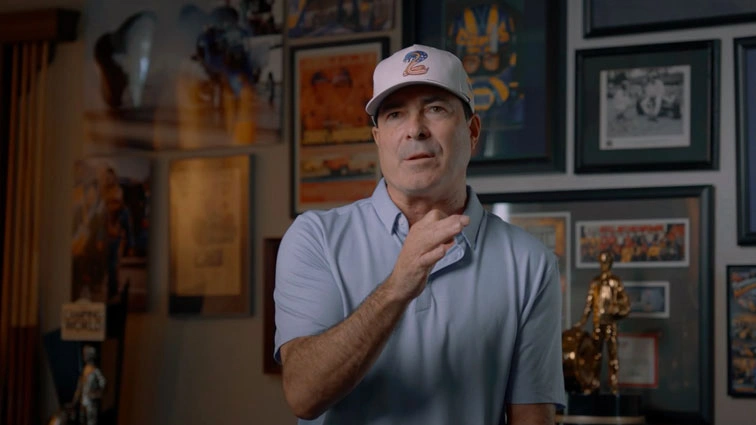
When you think about drag racing legends, few names command as much respect as Ron Capps. This seasoned NHRA veteran has spent decades perfecting his craft behind the wheel of some of the fastest machines on earth. For fans and aspiring racers alike, understanding Ron Capps net worth offers valuable insight into what a successful career in professional motorsports can look like. His journey from a young racing enthusiast to a championship-winning driver demonstrates the financial rewards that come with dedication, skill, and strategic career moves in competitive racing.
Ron Capps didn’t stumble into success overnight. His story is one of perseverance, calculated risks, and an unwavering passion for speed. Throughout his career, he’s become synonymous with excellence in the Funny Car division, earning both championships and financial success along the way. But how exactly does a drag racer build wealth? What income streams contribute to their overall financial picture? These are questions worth exploring for anyone interested in motorsports careers or simply curious about the business side of professional racing.
Ron Capps Quick Facts
| Quick Facts | Details |
| Full Name | Ron Capps |
| Date of Birth | July 20, 1965 |
| Age | 59 (as of 2025) |
| Birthplace | San Luis Obispo, California, USA |
| Nationality | American |
| Profession | Professional Drag Racer |
| Racing Category | NHRA Funny Car |
| NHRA Debut | 1997 |
| Championship Titles | NHRA Funny Car Champion (2016) |
| Total NHRA Wins | 60+ National Event Wins |
| Notable Teams | Don Schumacher Racing |
| Current Team | Ron Capps Motorsports |
| Major Sponsor | NAPA Auto Parts |
| Nickname | “The Spokesperson” |
| Estimated Net Worth | Multi-million dollars (estimated) |
The Early Days: Building a Foundation
Ron Capps began his racing journey in Southern California, where the drag racing culture runs deep. Growing up around the sport, he developed an early fascination with the thunderous power of nitro-burning engines and the precision required to control them. His path into professional racing wasn’t handed to him on a silver platter. Like many drivers, Capps worked his way up through various racing divisions, learning the technical and mental aspects of the sport.
During these formative years, Capps gained experience driving different types of race cars, which helped him develop versatility and adaptability. These skills would prove invaluable later in his career. He worked with smaller teams, often taking on multiple roles beyond just driving. This hands-on experience gave him a comprehensive understanding of what it takes to succeed in drag racing, from the mechanical side to the business relationships that keep teams funded and competitive.
The investment of time during these early years laid the groundwork for everything that would follow. While the financial rewards were modest at first, Capps was building something more valuable than immediate income. He was establishing his reputation, developing relationships within the racing community, and honing the skills that would eventually make him a champion.
Breaking Through to the Big Leagues
Ron Capps’ breakthrough into top-tier NHRA competition came when he joined Don Schumacher Racing, one of the most prestigious teams in drag racing history. This partnership marked a turning point in his career, providing him with the resources, support, and equipment necessary to compete at the highest level. With DSR, Capps had access to cutting-edge technology, experienced crew chiefs, and the kind of organizational support that separates good teams from championship-caliber operations.
His first major victory came in 1998, and from there, the wins kept coming. Capps proved himself not just as a talented driver but as someone who could consistently perform under pressure. He developed a reputation for being smooth and calculated on the track, earning him the nickname “The Spokesperson” for his articulate interviews and professional demeanor off the track.
The wins translated into increased visibility, which opened doors to sponsorship opportunities. Companies wanted to associate their brands with a winner, and Capps fit the bill perfectly. His clean-cut image and ability to represent sponsors professionally made him an attractive investment for corporations looking to tap into the drag racing market.
Championship Glory and Career Highlights
The pinnacle of Ron Capps’ career came in 2016 when he won the NHRA Funny Car Championship. After years of coming close and experiencing heartbreaking near-misses, he finally captured the title that had eluded him. This championship wasn’t just a personal triumph; it significantly boosted his earning potential and marketability. Champions command higher appearance fees, better sponsorship deals, and more opportunities for income generation outside of race winnings.
Throughout his career, Capps has accumulated over 60 NHRA national event victories, placing him among the elite drivers in the sport’s history. Each victory comes with prize money, but more importantly, consistent winning builds a brand. Capps became known as one of the most reliable and skilled Funny Car drivers in the business, which translated into long-term financial stability.
His longevity in the sport is particularly impressive. While many drivers experience brief moments of success, Capps has maintained competitive excellence for more than two decades. This sustained performance has allowed him to build wealth gradually and consistently, rather than experiencing the boom-and-bust cycles that plague some professional athletes.
Primary Income Sources: Race Winnings and Salary
Professional drag racers earn money through several channels, with race winnings being the most obvious. NHRA events offer substantial prize purses, with major races awarding hundreds of thousands of dollars to winners. Over a career spanning decades, these winnings add up considerably. However, it’s important to understand that race winnings alone don’t tell the complete financial story.
Many top-level drivers like Capps also receive salaries from their racing teams. These salaries provide financial stability beyond the uncertainty of race-to-race prize money. When driving for a major operation like Don Schumacher Racing, drivers are essentially employees of the organization, receiving compensation for their services regardless of individual race outcomes. This arrangement provides financial security and allows drivers to focus on performance rather than worrying about their next paycheck.
The combination of salary and race winnings creates a solid financial foundation. While exact figures aren’t publicly disclosed, top NHRA Funny Car drivers can earn substantial six-figure incomes from these sources alone. For someone with Capps’ track record and championship credentials, this baseline income has been reliable throughout his career.
Sponsorship Deals: The Real Money Maker
In professional motorsports, sponsorship deals often dwarf other income sources. Companies pay significant sums to have their logos prominently displayed on race cars, driver suits, and team equipment. For a driver like Ron Capps, who has spent years with major sponsors like NAPA Auto Parts, these relationships represent the most lucrative aspect of his career earnings.
Sponsorship contracts typically include multiple components. Beyond the primary car sponsorship, there are personal endorsements, appearance requirements, and various promotional activities. Capps has excelled in this area, proving himself to be an excellent brand ambassador. His professionalism and communication skills make him valuable to sponsors who want more than just logo placement; they want a representative who can articulate their brand message effectively.
Long-term sponsorship relationships are particularly valuable because they provide stability and allow for deeper partnerships. Capps’ extended relationship with NAPA Auto Parts exemplifies this principle. Rather than constantly searching for new sponsors, he cultivated a partnership that benefited both parties over many years. This approach not only generated substantial income but also reduced the stress and uncertainty that comes with sponsor shopping.
Beyond the Track: Additional Revenue Streams
Successful racers understand the importance of diversifying income sources. While specific details about Capps’ investments and business ventures aren’t widely publicized, it’s common for professional drivers to leverage their fame and expertise into additional revenue streams. These might include speaking engagements, racing schools, consulting work, or business investments.
Appearance fees for autograph sessions, fan events, and corporate functions provide another income avenue. As a championship-winning driver with decades of experience, Capps commands premium rates for these appearances. Companies and event organizers are willing to pay for the prestige and fan draw that comes with hosting a racing legend.
Some drivers also earn income through media work, such as television commentary, podcast appearances, or social media partnerships. While Capps has maintained a relatively low-key media presence compared to some athletes, any media work he does undertake likely provides additional compensation. The key is understanding that a complete financial picture includes all these smaller revenue streams that, when combined, contribute significantly to overall wealth.
The Business of Being Ron Capps
Managing a successful racing career requires business acumen beyond just driving skills. Capps has demonstrated an understanding of his value and how to maximize it strategically. This includes making smart career moves, such as his decision to launch Ron Capps Motorsports, his own racing team, which represents a new chapter in his career and a different kind of financial opportunity.
Owning a racing team shifts the financial model entirely. Instead of being primarily a driver earning salary and bonuses, team ownership involves revenue from sponsorships, prize winnings, and potentially managing multiple cars and drivers. This entrepreneurial move suggests Capps is thinking long-term about his financial future and creating assets that can generate income beyond his driving career.
The transition from driver to team owner also demonstrates financial confidence. Starting and running a competitive race team requires significant capital investment. The fact that Capps could make this move indicates he had built sufficient wealth during his driving career to take on this new challenge. It’s a bold step that many drivers aspire to but few can actually achieve.
Lifestyle and Financial Management
While exact details about Ron Capps’ lifestyle aren’t tabloid fodder like some celebrities, he appears to maintain a relatively grounded approach to wealth. This measured lifestyle likely contributes to long-term financial health. Unlike some professional athletes who experience financial difficulties despite high earnings, racers who manage their money wisely can build lasting wealth.
The racing community has seen its share of cautionary tales about financial mismanagement. Capps seems to have avoided these pitfalls, possibly through smart financial planning, good advisors, and a focus on building wealth rather than just spending it. This approach is worth noting for anyone looking to build a successful career in any field. Earning money is only half the equation; managing and growing it is equally important.
Professional racers also face unique financial challenges, including the need to maintain personal fitness, travel extensively, and deal with the physical toll of the sport. These factors require financial planning that accounts for potential career-ending injuries or the natural decline in performance that comes with age. Capps’ longevity suggests he’s managed these aspects well, maintaining his health and competitive edge well into his fifties.
Lessons from a Racing Legend’s Financial Journey
Ron Capps’ financial success offers valuable lessons applicable beyond drag racing. First, consistency matters more than occasional brilliance. His steady accumulation of wins and podium finishes over decades created more value than sporadic championship runs might have. Second, professionalism and personal brand management open doors that pure talent alone cannot. Capps’ reputation as a gentleman racer and excellent sponsor representative enhanced his earning potential significantly.
Third, diversification provides security. By not relying solely on race winnings or even just driving income, Capps built a more resilient financial foundation. Fourth, strategic career moves, like joining a top team and eventually starting his own operation, demonstrate the importance of thinking long-term about career trajectory. Finally, maintaining strong relationships, whether with sponsors, teams, or the racing community, creates opportunities that might not otherwise exist.
These principles apply whether you’re pursuing a career in motorsports, another professional sport, or any competitive field. Building wealth isn’t just about how much you earn at your peak; it’s about consistency, smart decision-making, relationship building, and strategic planning throughout your entire career.
The Current Chapter: Ron Capps Motorsports
In recent years, Ron Capps took perhaps his boldest step yet by establishing Ron Capps Motorsports. This move represents both a new challenge and a new phase in his financial journey. Team ownership in NHRA racing requires substantial investment but also offers the potential for different kinds of returns. As an owner-driver, Capps controls more aspects of his racing operation and potentially enjoys a larger share of the financial rewards.
This transition also speaks to confidence in his own abilities and vision. Starting a team from scratch is incredibly challenging, requiring not just racing knowledge but also business skills, fundraising ability, and leadership. The fact that Capps attracted sponsorship and built a competitive operation demonstrates his credibility and the respect he commands in the racing world.
For fans and observers, watching Capps in this new role provides insight into what life after being a full-time driver might look like. Rather than simply retiring when his driving career winds down, he’s creating something that could provide income and purpose for years to come. This forward-thinking approach is characteristic of successful athletes who plan beyond their active competition years.
Conclusion
The story of Ron Capps extends far beyond the quarter-mile drag strip. His journey from an aspiring young racer to a championship-winning driver and team owner illustrates what’s possible when talent meets opportunity and strategic thinking. The financial success he’s achieved reflects not just his skill behind the wheel but his professionalism, business savvy, and ability to build and maintain valuable relationships throughout his career.
For anyone interested in motorsports careers, Capps provides a compelling blueprint. Success in racing, like many professional pursuits, requires more than just raw talent. It demands consistency, professionalism, strategic career decisions, and the ability to capitalize on opportunities when they arise. His transition to team ownership shows that thinking beyond the immediate present and planning for long-term career sustainability can create lasting value.
Whether you’re a racing fan, an aspiring driver, or simply someone interested in how professional athletes build wealth, Ron Capps’ career offers valuable insights. His legacy will include not just his championship and race wins but also the example he’s set for managing a successful career both on and off the track. As he continues writing new chapters in his racing story, the foundation he’s built ensures his place among drag racing’s most respected and successful figures.