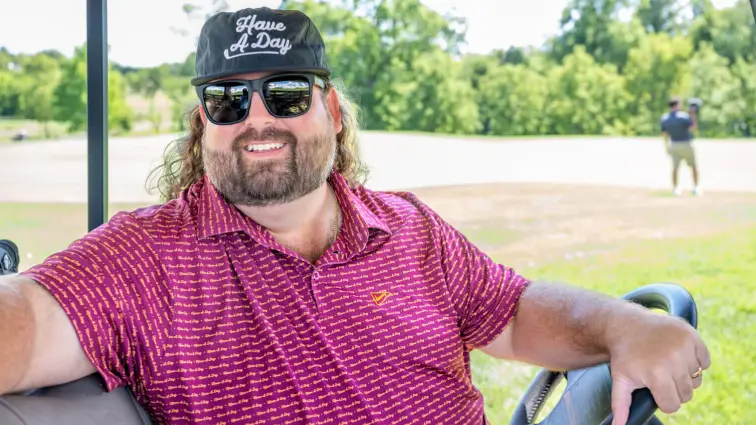
Golf has always been a game of patience, precision, and personality. In recent years, social media has introduced many new faces to the sport, including Fat Perez, a popular golfer known for his smooth swing, relaxed style, and engaging presence. Many fans often wonder if he is truly a professional golfer or simply a highly skilled amateur. This article explores his golf skills, handicap level, playing style, and overall journey in the world of golf. By understanding his progress and influence, readers can learn valuable lessons about dedication, consistency, and love for the game.
Fat Perez Quick Facts
| Fact | Details |
| Popular Name | Fat Perez |
| Age | 47 (born October 1, 1978) |
| Birthplace | Richmond, Virginia, United States |
| Nationality | American |
| Known For | Golf personality, member of Bob Does Sports |
| Golf Status | Highly skilled amateur golfer |
| Handicap (Estimated) | Near scratch level |
| Playing Style | Smooth swing, calm tempo, strong short game |
| Primary Strength | Consistency and course management |
| Social Presence | Regularly featured in golf content and online matches |
| Family | Married, keeps personal life mostly private |
| Net Worth | Estimated $2 million |
| Golf Team | Bob Does Sports |
The Background and Rise in Golf
The modern golf scene is no longer limited to traditional tours and television coverage. Online platforms have given talented golfers a new stage, and some have built strong reputations through digital exposure. Fat Perez gained attention through entertaining golf content, competitive matches, and consistent on-course performance. His calm attitude and confident swing quickly made him a fan favorite.
Unlike many golfers who follow a strict professional path from junior tournaments to elite tours, his journey appears more unconventional. His rise is tied to real-world play, consistent improvement, and strong fundamentals rather than a formal professional career. This unique path makes his story relatable for everyday golfers who enjoy the sport without competing at the highest professional level.
Is He a Professional Golfer?
Understanding Professional Status in Golf
In golf, being a professional usually means competing in sanctioned tournaments, holding official tour status, and earning income through competition. Professional golfers dedicate their lives to training, travel, and competition at elite levels such as the PGA Tour, DP World Tour, or other recognized circuits.
While many fans admire his ability and consistency, there is no widely recognized record showing that he holds official tour status or competes regularly in major professional tournaments. This means he is generally viewed as a highly skilled amateur rather than a full-time professional golfer.
Skill Level Compared to Pros
Professional golfers operate at an extremely high standard. They combine technical mastery, mental toughness, and competitive experience. Although Fat Perez demonstrates impressive control, clean ball striking, and smart course management, professional-level golf demands years of elite competition and rankings.
However, his skill level is far above that of an average recreational golfer. His ability to remain composed under pressure, maintain consistent scoring, and execute reliable shots suggests a strong competitive foundation.
Golf Skills and Playing Style
Swing Technique and Ball Control
One of the most noticeable aspects of his game is his smooth and controlled swing. A relaxed tempo often leads to better contact, and his rhythm allows him to produce clean shots with good distance. His iron play appears steady, and he demonstrates solid control when shaping shots or adjusting trajectory.
Ball control is a major factor in golf performance. Skilled players focus on accuracy rather than raw power, and his approach reflects this principle. His ability to keep the ball in play, avoid unnecessary risks, and stay patient during rounds shows strong course awareness.
Short Game and Putting
In golf, the short game often separates good players from great ones. Chipping, pitching, and putting require precision and confidence. His short game looks dependable, especially in pressure situations where touch and feel matter most.
Putting also seems to be a strength. Good putters understand green reading, pace control, and alignment. Consistency on the greens often leads to lower scores, and his steady putting style supports his competitive performance.
Handicap and Performance Level
What His Handicap Suggests
A golf handicap reflects a player’s scoring ability compared to par. Lower handicaps indicate stronger performance. While exact numbers can vary depending on rounds and conditions, Fat Perez is often believed to play at a very low handicap, possibly near scratch level.
A scratch golfer can typically shoot around par on a regular basis. This level requires strong ball striking, reliable short game, and smart decision making. Maintaining such consistency is challenging and places a player well above the average golfer.
Consistency and Competitive Edge
Consistency is one of the hardest qualities to master in golf. Even talented players struggle with performance swings. His ability to deliver stable rounds suggests disciplined practice and solid fundamentals. He rarely appears rushed or frustrated, which is an important trait for long-term success in golf.
Mental composure is often as important as technical skill. Staying calm after mistakes and focusing on the next shot helps golfers maintain scoring stability. His relaxed approach reflects strong mental control on the course.
The Golf Journey and Learning Curve
From Passion to Recognition
Every golfer starts with a simple love for the game. Improvement comes through practice, experience, and learning from mistakes. His journey seems rooted in passion rather than pressure. Over time, consistent play and visible improvement helped him gain recognition among golf fans.
Golf rewards patience and persistence. Many players spend years refining their swing, improving course strategy, and developing mental resilience. His steady progress highlights the value of enjoying the game while continuing to grow.
Influence on Modern Golf Culture
Golf culture has evolved significantly. Today, golfers connect through digital platforms, share experiences, and inspire others. His presence in the golf community reflects this modern shift. He represents a new generation of golfers who combine skill with personality, making the game more approachable for everyday players.
For beginners, watching skilled yet relatable golfers can be motivating. It shows that improvement is possible through practice, smart play, and consistency rather than perfection.
Equipment and Practice Insights
Importance of the Right Gear
Golf performance often improves with properly fitted equipment. Clubs that match a player’s swing speed, grip preference, and playing style can enhance accuracy and control. Many skilled golfers prefer simple, reliable gear that supports consistency rather than chasing trends.
For readers looking to improve their own game, investing in quality golf balls, comfortable gloves, and well-balanced clubs can make a noticeable difference. These tools support better feel, improved control, and more confident swings.
Practice Approach and Routine
Effective practice focuses on fundamentals. Skilled golfers usually spend time on short game drills, putting accuracy, and swing consistency. Repetition builds muscle memory, and structured practice helps players improve gradually.
Learning course management is equally important. Choosing smart targets, avoiding risky shots, and playing within one’s ability often leads to better scores. His style reflects a balanced approach between technique and strategy.
Lessons Everyday Golfers Can Learn
Consistency Over Power
Many golfers focus too much on distance. However, accuracy and consistency usually produce better results. Smooth swings, smart decisions, and controlled shots often outperform aggressive play. His steady performance reinforces this lesson.
Mental Strength and Patience
Golf is as much mental as physical. Staying calm, accepting mistakes, and focusing on the next shot are essential for improvement. Patience allows players to grow without frustration, and this mindset is visible in his game.
Enjoying the Game
One of the most important lessons is to enjoy golf. Passion fuels improvement. When players enjoy practice and competition, progress feels natural rather than forced. His relaxed personality reflects a genuine love for the sport.
Conclusion
The question of whether he is a professional golfer depends on how one defines professionalism in golf. While he may not hold official tour status, his skill, consistency, and deep understanding of the game place him far above typical amateur levels. His journey reflects dedication, patience, and a true passion for golf. More importantly, his story inspires everyday golfers to focus on improvement, enjoy the game, and stay committed to their own progress.