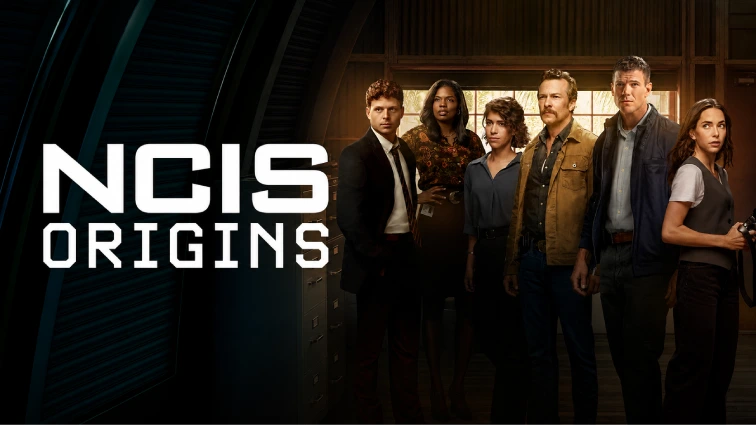
The NCIS franchise has captivated audiences for over two decades, and the latest addition to this beloved universe brings fans back to where it all began. “ncis origins” takes viewers on a nostalgic journey to 1991, exploring the early days of the Naval Criminal Investigative Service and the formative years of Leroy Jethro Gibbs.
This prequel series offers fresh perspectives on familiar faces while introducing compelling new characters that help shape the legend we’ve come to know and love.
Understanding the Premise
The show transports us to Camp Pendleton in the early 1990s, a time when Gibbs was still finding his footing as a special agent. Unlike the seasoned, coffee-sipping investigator we know from the original series, this younger version is raw, dealing with personal trauma, and learning the ropes of criminal investigation. The series doesn’t just focus on solving cases; it dives deep into the emotional and psychological development of its characters.
What makes this prequel particularly engaging is how it balances nostalgia with fresh storytelling. Long-time fans get to see references and connections to the main series, while new viewers can enjoy it as a standalone crime drama. The setting in 1991 also adds a unique flavor, with period-appropriate technology, investigation methods, and cultural references that remind us how much has changed in law enforcement over the past three decades.
Meet the Core Team
At the heart of the series is young Gibbs, portrayed with remarkable depth and vulnerability. This version of the character is dealing with the aftermath of personal tragedy, which shapes his approach to both his work and his relationships. We see him struggling with loss while trying to channel that pain into becoming a better investigator. The performance captures the essence of what would later become Gibbs’ signature traits: his intuition, his dedication to justice, and his protective nature toward his team.
Leading the team is Special Agent in Charge Franks, a tough, no-nonsense leader who becomes a mentor figure to Gibbs. Franks represents the old-school approach to investigation, relying on street smarts and years of experience. His relationship with Gibbs forms the emotional core of the series, showing us how mentorship and guidance can shape a person’s career trajectory. Their dynamic is complex, filled with tension, respect, and mutual understanding.
The team also includes Mary Jo, a sharp and resourceful special agent who often serves as the voice of reason. She brings a different perspective to investigations and isn’t afraid to challenge the boys’ club mentality that sometimes pervades the workplace. Her character development throughout the season shows strength, intelligence, and compassion in equal measures.
Randy provides technical expertise and analytical skills that complement the team’s investigative work. While the technology of 1991 seems primitive by today’s standards, his character demonstrates how crucial analytical thinking and attention to detail have always been in solving crimes. His interactions with other team members add moments of levity and friendship to otherwise intense investigations.
Episode Highlights and Story Arcs
The pilot episode sets the stage beautifully, introducing viewers to this world while establishing the tone and stakes. We’re immediately thrown into a complex case that requires the team to work together despite their differences and personal struggles. The investigation serves as more than just a procedural element; it’s a vehicle for character development and relationship building.
As the season progresses, each episode builds on the last, creating interconnected storylines that reward attentive viewers. Some cases are self-contained, following the traditional procedural format, while others weave into larger narrative threads that span multiple episodes. This structure keeps the pacing fresh and gives depth to both the cases and the characters solving them.
One particularly memorable episode focuses on a case that hits close to home for Gibbs, forcing him to confront his own demons while seeking justice for others. The emotional weight of this episode demonstrates the series’ commitment to character-driven storytelling. It’s not just about catching the bad guys; it’s about understanding how these cases affect the investigators on a personal level.
Another standout episode explores the team dynamics when they’re forced to work with limited resources and mounting pressure. The tension builds naturally, revealing character flaws and strengths in equal measure. These moments of conflict and resolution help viewers understand why these individuals work well together and how their bond deepens over time.
Key Moments That Define the Series
Throughout the season, certain scenes stand out as defining moments for both individual characters and the team as a whole. There’s a powerful sequence where Gibbs makes a choice that goes against protocol but aligns with his sense of justice, showing the beginnings of his famous gut instincts. This moment crystallizes his approach to law enforcement and foreshadows the agent he will become.
The evolving relationship between Gibbs and Franks provides some of the most compelling content. Their conversations, often happening over coffee or during stakeouts, reveal layers of both characters. Franks shares wisdom earned through years of experience, while Gibbs brings fresh perspective and relentless determination. These interactions feel authentic and earned, never forced or overly sentimental.
The series also doesn’t shy away from showing the toll that this work takes on personal lives. We see relationships strained, sacrifices made, and the constant struggle to maintain balance between duty and personal wellbeing. These human moments ground the show in reality, making it more than just another crime procedural.
The Historical Context
Setting the show in 1991 proves to be more than just a creative choice; it’s essential to the storytelling. The Gulf War provides a backdrop that influences several cases and adds authenticity to the military setting. The technology limitations of the era mean investigations rely more heavily on traditional detective work, witness interviews, and physical evidence analysis.
This historical context also allows the series to explore how different law enforcement was in that period. Without cell phones, instant communication, or advanced forensics, investigators had to be more creative and persistent. The show uses these limitations to its advantage, creating tension and showcasing the ingenuity of its characters.
Why It Resonates with Audiences
The series succeeds because it understands what made the original NCIS special while carving out its own identity. It respects the source material without being constrained by it. New viewers can jump in without prior knowledge, while franchise fans enjoy the deeper connections and Easter eggs sprinkled throughout episodes.
The character work is exceptional, giving actors room to develop nuanced performances that go beyond typical procedural stereotypes. Each team member feels like a real person with motivations, fears, and aspirations. The cases matter, but the people solving them matter more.
The show also benefits from strong writing that balances mystery, drama, and occasional humor. The dialogue feels natural, and the pacing keeps viewers engaged without feeling rushed. Each episode delivers satisfaction while building toward larger seasonal arcs.
Final Thoughts
This prequel series proves that there’s still life in the NCIS franchise when approached with creativity and respect for the characters. By going back to the beginning, it gives us a deeper appreciation for the journey these characters have taken.
The combination of compelling cases, strong character development, and emotional depth creates a viewing experience that stands on its own merits while enriching the broader franchise mythology. Whether you’re a die-hard NCIS fan or someone looking for a solid crime drama with heart, this series delivers on multiple levels and sets the stage for what promises to be an engaging ongoing story.